MahatmaGandhi.
A London-trained barrister who refused the life waiting for him. He built a method of resistance called Satyagraha, and unmade an empire with it.
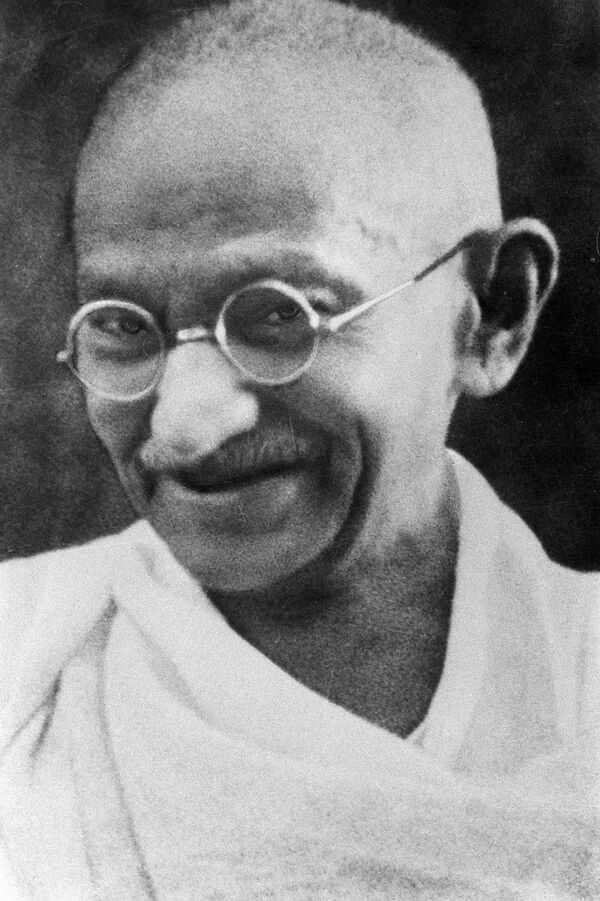
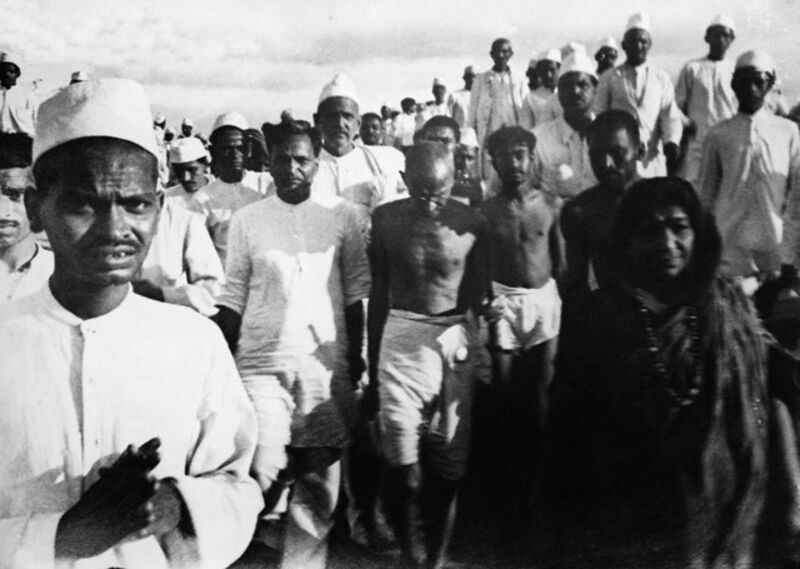
Salt March, 240 miles. 60,000+ arrests follow.
SCALD
- Medium status within the Indian caste system. Vaishya.
- Under British rule, the British held the social status; Indians had significantly less.
- Raised Hindu, grew inclusive of Jainism. His non-violence (ahimsa) draws from Jainism.
- Indian culture was oppressed by the British, with segregated railways, washrooms, schools.
- Heavy taxation funded India's own colonisation. The Raj caused famines that killed tens of millions.
- Began political campaigns at 25, despite mediocre education and no political background.
- Returned to India in 1915 at 46. Activism continued until independence in 1947.
- Assassinated 1948 at 78, still a voice for Indian independence.
- Grew up in India. Moved to South Africa and saw racial discrimination.
- Returned to India; carried out his most famous activism there.
- Died in India.
- Expected to learn English and live a comfortable life as a lawyer.
- Good education, right caste, every opportunity. Rejected them all to oppose the British.
- Started political campaigning young with no political background, ignoring every expectation set for him.
- Broke laws like the British Salt Act and actively opposed the monarchy ruling India at the time; jailed many times.
- Lived among the “Untouchables”, renounced his law career, used hunger strikes as political weapons.
Why he didn't conform.
Conflict Theory
- Low social class fighting back against a higher, more privileged class for fair treatment and independence.
- Those of lower social classes (Gandhi, Indians) resort to deviant behaviour, like protests and civil disobedience, to fight those of higher classes (the British).
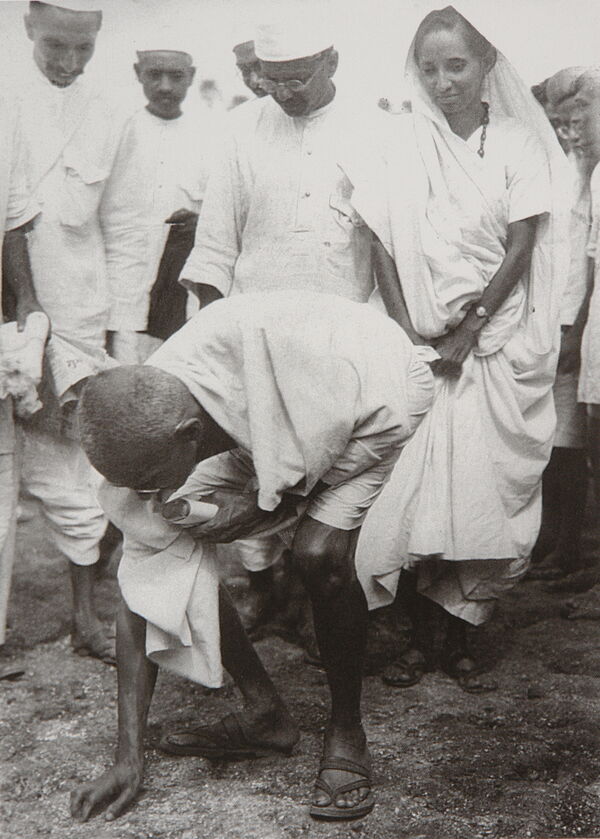
Conflict theory often portrays change as violent and revolutionary. Gandhi built his authority gradually, leading small movements to oppose the British one at a time.
Social Control Theory
- The British tried to control India, but the cultures clashed; no strong social bond formed between Indians and British laws or culture.
- It was easy for Gandhi to engage in deviant behaviour because the British norms were not widely accepted by Indians.
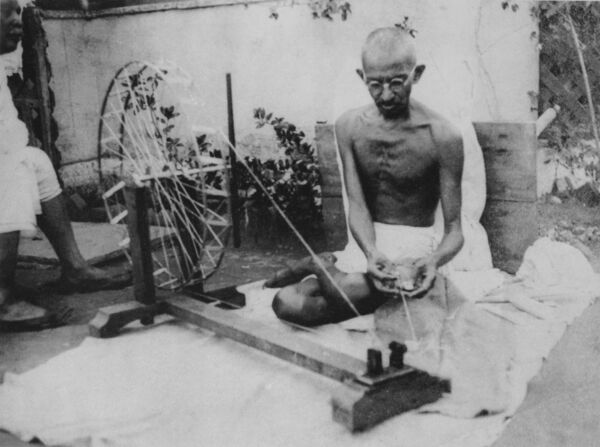
Fails to consider Gandhi's personal motives, having witnessed British racism firsthand. He used his connection to the people of India and the “Untouchables” as a weapon, which makes his deviance less explainable by an absence of bonds alone.
Does deviance enhance society?
Gandhi gave the world a way to oppose without violence, a technique later used by leaders like King and Mandela. His non-violent deviance led to opposition of unjust laws and sparked positive social change. He united Indians against British colonial rule, and was a key player in the independence of India.